Marriage
Marriage, also called matrimony or wedlock, is a socially or ritually recognized union between spouses that establishes rights and obligations between them, between them and their children, and between them and their in-laws. The definition of marriage varies according to different cultures, but it is principally an institution in which interpersonal relationships, usually sexual, are acknowledged. In some cultures, marriage is recommended or considered to be compulsory before pursuing any sexual activity. When defined broadly, marriage is considered a cultural universal.


Pride and Prejudge
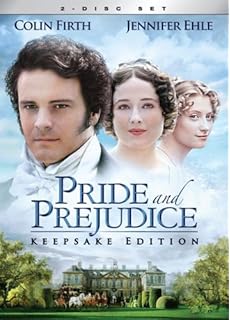
Pride and Prejudice is a novel by Jane Austen, first published in 1813. The story charts the emotional development of the protagonist, Elizabeth Bennet, who learns the error of making hasty judgements and comes to appreciate the difference between the superficial and the essential. The comedy of the writing lies in the depiction of manners, education, and marriage and money in the British Regency.
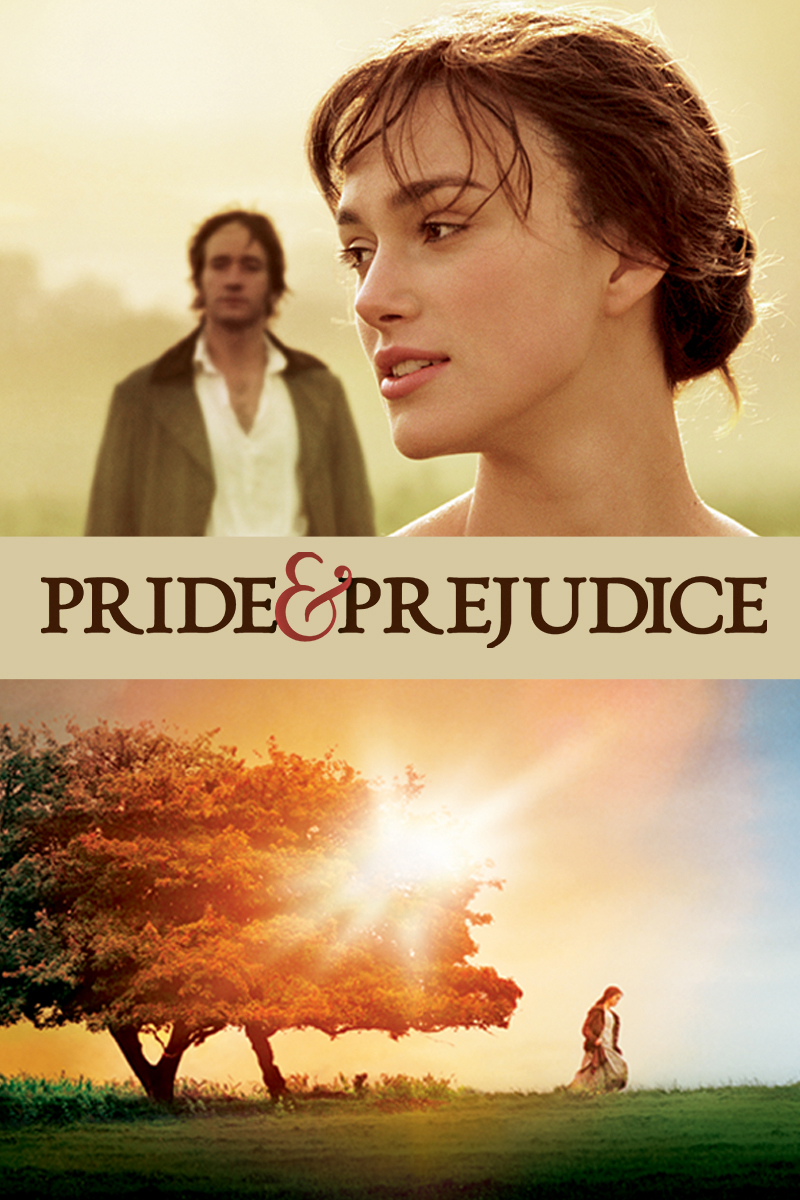
Pride and Prejudice retains the fascination of modern readers, consistently appearing near the top of lists of "most-loved books" among both literary scholars and the general public. It has become one of the most popular novels in English literature, with over 20 million copies sold, and paved the way for many archetypes that abound in modern literature. Continuing interest in the book has resulted in a number of dramatic adaptations and an abundance of novels and stories imitating Austen's memorable characters or themes. The 2005 Hollywood film, Pride and Prejudice, starring Keira Knightly and Matthew Macfadyen as lead actors is the most recent and well known adaption of the book.

Jane Austen
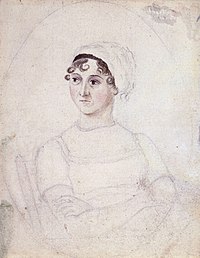
Jane Austen was an English novelist known primarily for her six major novels, which interpret, critique and comment upon the British landed gentry at the end of the 18th century. Austen's plots often explore the dependence of women on marriage in the pursuit of favourable social standing and economic security. Her works critique the novels of sensibility of the second half of the 18th century and are part of the transition to 19th-century literary realism.
Genre
Genre is any form or type of communication in any mode (written, spoken, digital, artistic, etc.) with socially-agreed upon conventions developed over time. Genre is most popularly known as a category of literature, music, or other forms of art or entertainment, whether written or spoken, audio or visual, based on some set of stylistic criteria, yet genres can be aesthetic, rhetorical, communicative, or functional. Genres form by conventions that change over time as new genres are invented and the use of old ones is discontinued. Often, works fit into multiple genres by way of borrowing and recombining these conventions. Stand alone texts, works, or pieces of communication may have individual styles, but genres are amalgams of these texts based on agreed upon or socially inferred conventions. Some genres may be rigid with strictly adhered to guidelines while others may be very flexible.
James Joyce
James Augustine Aloysius Joyce (2 February 1882 – 13 January 1941) was an Irish novelist, short story writer, and poet. He contributed to the modernist avant-garde and is regarded as one of the most influential and important authors of the 20th century.
Joyce is best known for Ulysses (1922), a landmark work in which the episodes of Homer's Odyssey are paralleled in an array of contrasting literary styles, perhaps most prominent among these the stream of consciousness technique he utilised. Other well-known works are the short-story collection Dubliners (1914), and the novels A Portrait of the Artist as a Young Man (1916) and Finnegans Wake (1939). His other writings include three books of poetry, a play, occasional journalism and his published letters.

Dubliners
Dubliners is a collection of fifteen short stories by James Joyce, first published in 1914. They form a naturalistic depiction of Irishmiddle class life in and around Dublin in the early years of the 20th century.
The stories were written when Irish nationalism was at its peak, and a search for a national identity and purpose was raging; at a crossroads of history and culture, Ireland was jolted by various converging ideas and influences. They centre on Joyce's idea of an epiphany: a moment where a character experiences a life-changing self-understanding or illumination. Many of the characters in Dubliners later appear in minor roles in Joyce's novel Ulysses. The initial stories in the collection are narrated by child protagonists, and as the stories continue, they deal with the lives and concerns of progressively older people. This is in line with Joyce's tripartite division of the collection into childhood, adolescence and maturity.

Araby
"Araby" touches on a great number of themes:
- coming of age
- the loss of innocence
- the life of the mind versus poverty (both physical and intellectual)
- the consequences of idealization
- the Catholic Church's influence to make Dublin a place of asceticism where desire and sensuality are seen as immoral
- the pain that often comes when one encounters love in reality instead of its elevated form
- paralysis
These themes build on one another entirely through the thoughts of the young boy, who is portrayed by the first-person narrator, who writes from memory.

Essay on Araby


沒有留言:
張貼留言